Tax Returns
Every company in Australia, including those just starting out or running at a loss, needs to file a Company Tax Return with the Australian Taxation Office (ATO) each year. This return reports your company’s income, tax deductions and credits, and ultimately determines your company’s tax liability for the financial year. Even if you don’t owe any tax, filing a return is mandatory.
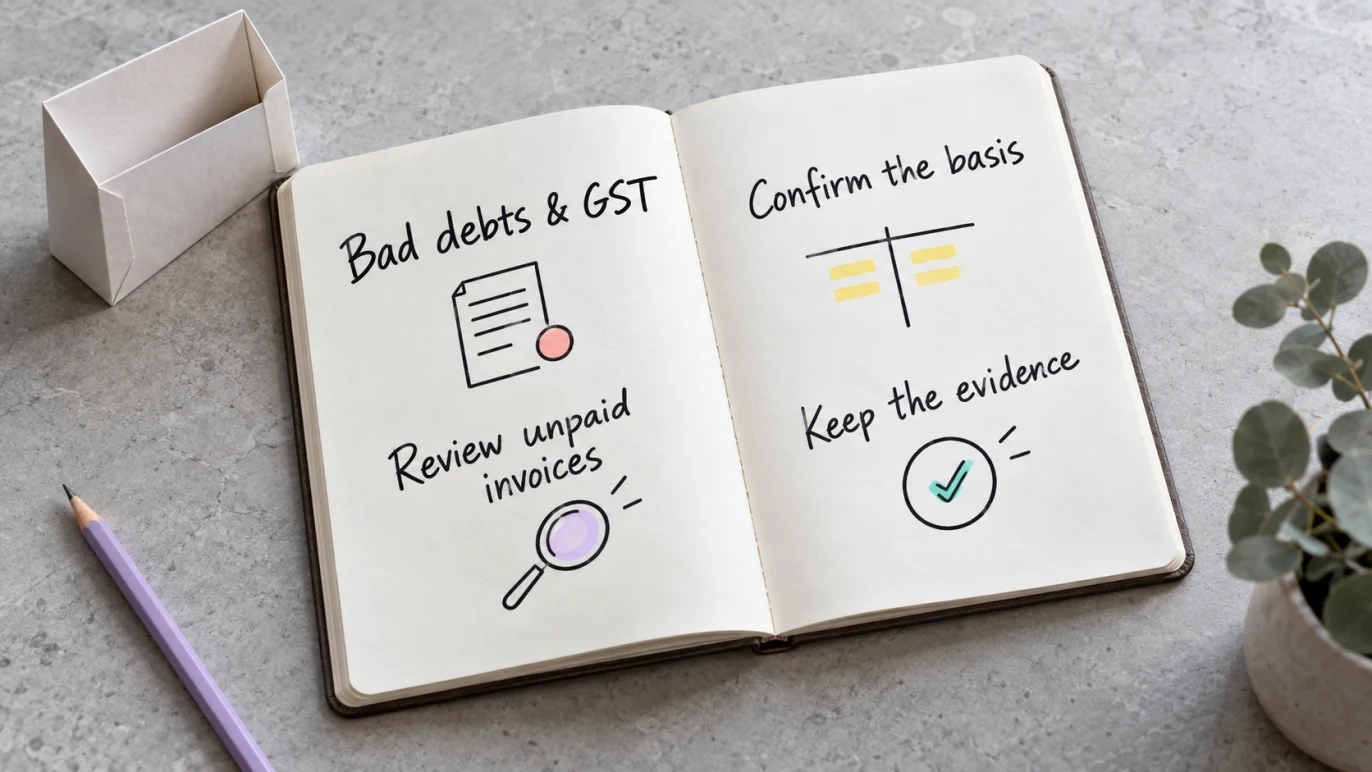
Bad Debts and GST: Handling Unpaid Invoices in Australia
Review unpaid invoices before your next BAS. Learn how bad debts affect GST, what evidence to keep and how a write-off differs from an income-tax deduction.

South Africa Trust Filing 2026: Reconcile Beneficiary Records Before Submitting
Prepare South African trust records for 2026 filing. Separate IT3(t) and ITR12T deadlines, reconcile beneficiary balances and organise evidence for your adviser.

South Africa Provisional Tax Top-Up: Prepare for 30 September 2026
Review South Africa's voluntary provisional tax top-up for February year-ends, with a simple example, payment checks and records to prepare for your adviser.
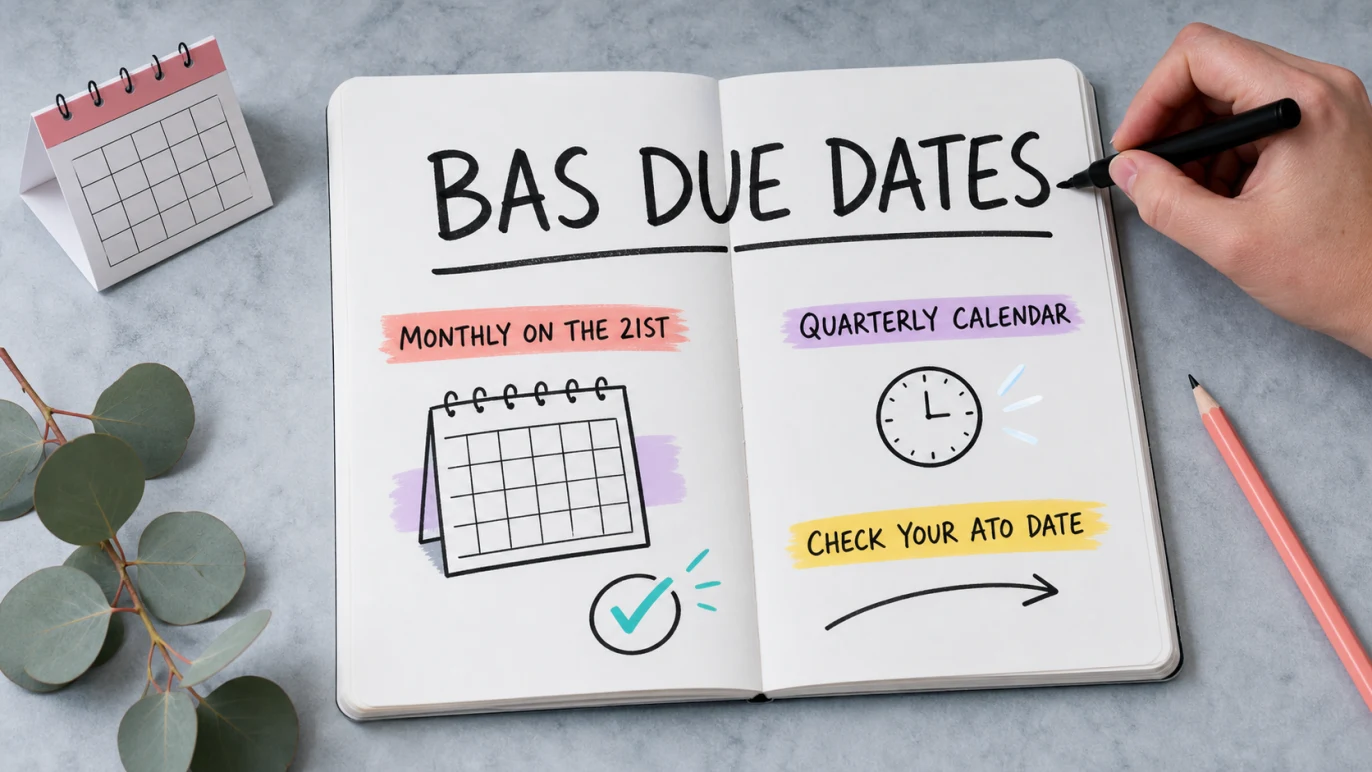
BAS Due Dates 2026–27: Monthly and Quarterly Lodgement Calendar
Check 2026–27 BAS due dates for monthly, quarterly and annual reporting in Australia, including online concessions, agent dates and weekend rules.
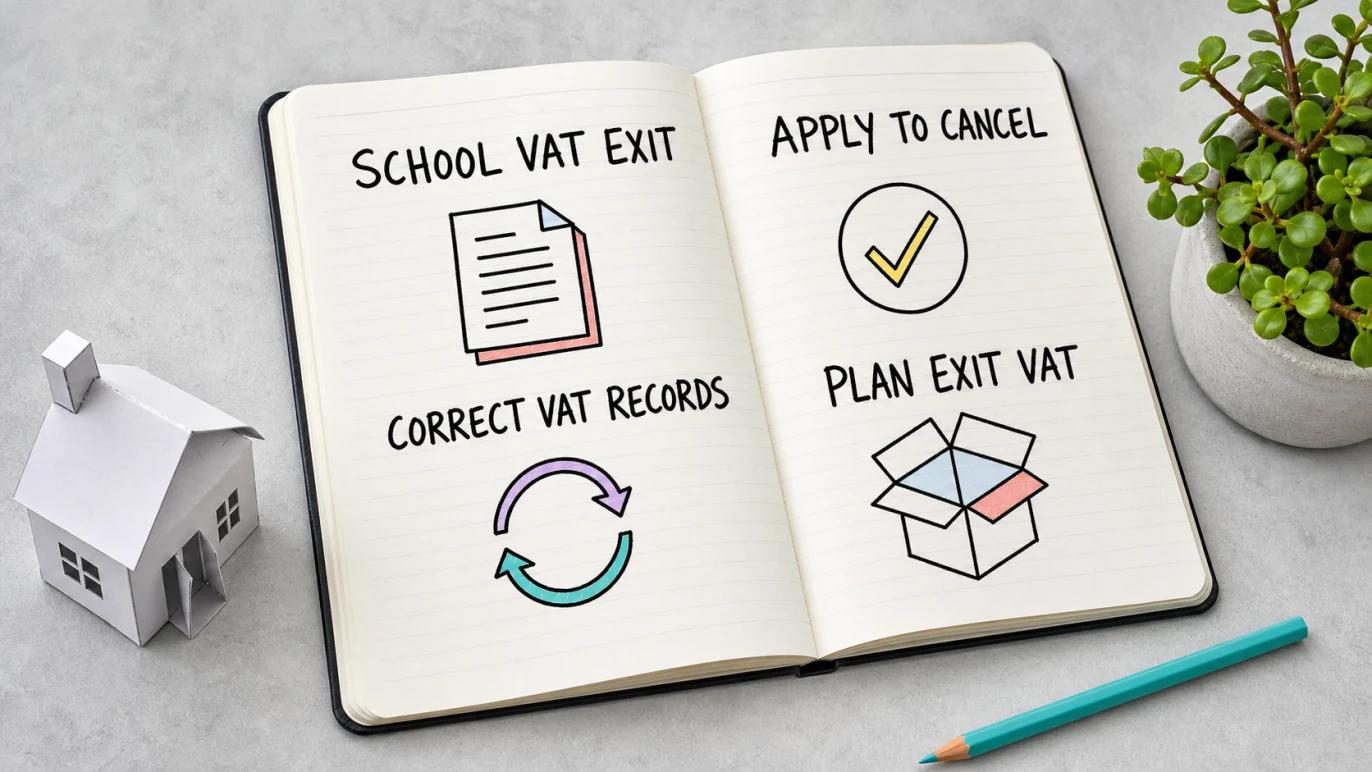
South African Schools Must Apply for VAT Deregistration
South African schools registered for VAT must apply to cancel, correct affected records, review exit VAT and submit returns while SARS processes the request.
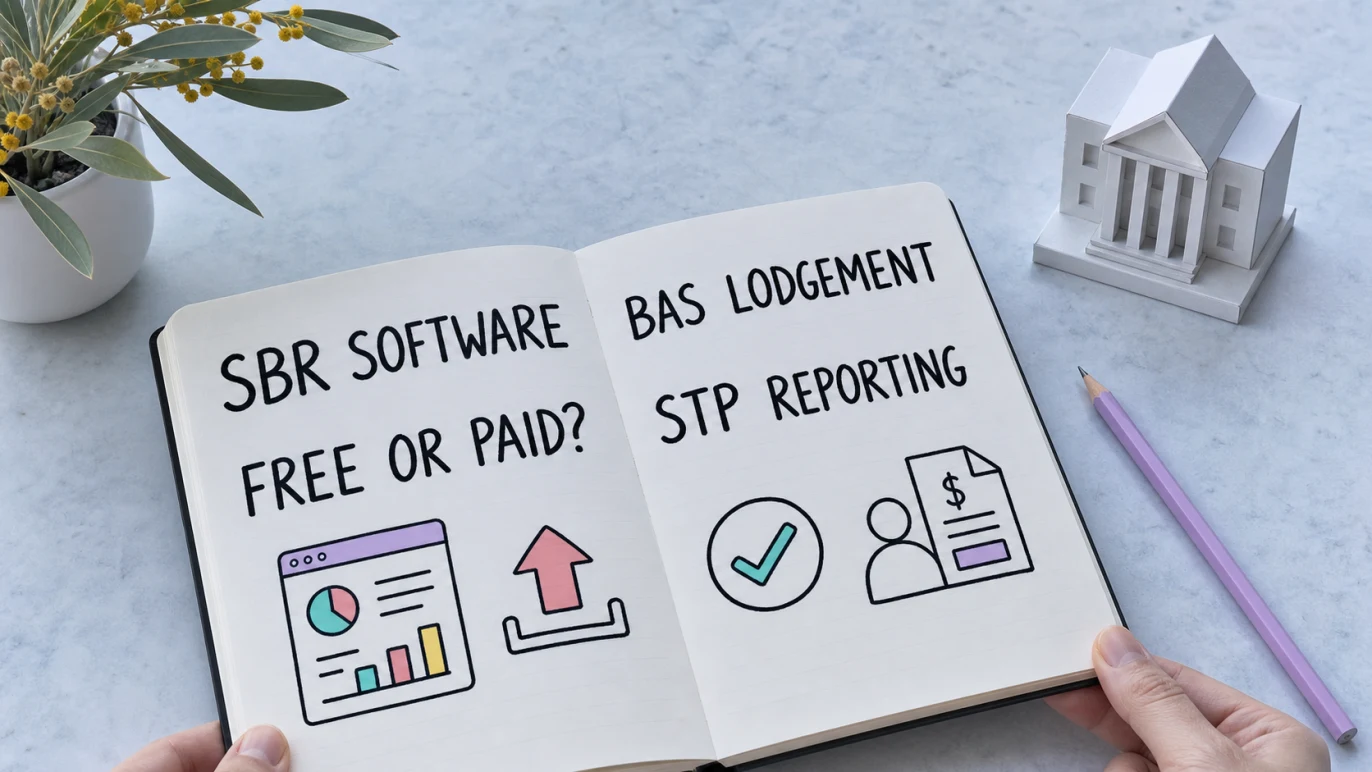
Free SBR-Enabled Software in Australia: BAS and STP Options
Looking for free SBR-enabled software in Australia? Compare BAS and STP options, ATO registration checks, plan limits and Gimbla Plus pricing.
Gimbla Now Offers SBR-Enabled BAS Lodgment
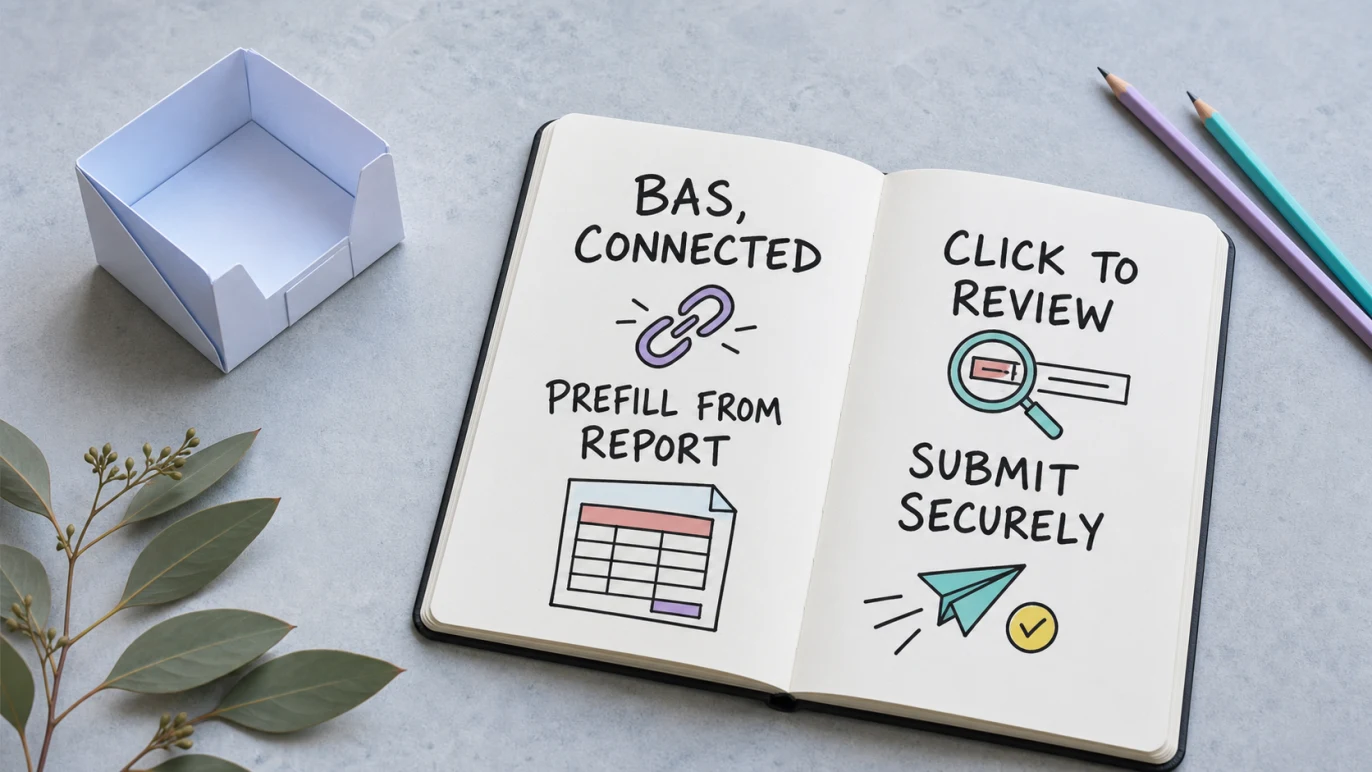
Gimbla now offers SBR-enabled BAS lodgment, moving report figures into a prefilled statement with transaction drill-down before ATO submission.