Tax Returns
Every company in Australia, including those just starting out or running at a loss, needs to file a Company Tax Return with the Australian Taxation Office (ATO) each year. This return reports your company’s income, tax deductions and credits, and ultimately determines your company’s tax liability for the financial year. Even if you don’t owe any tax, filing a return is mandatory.
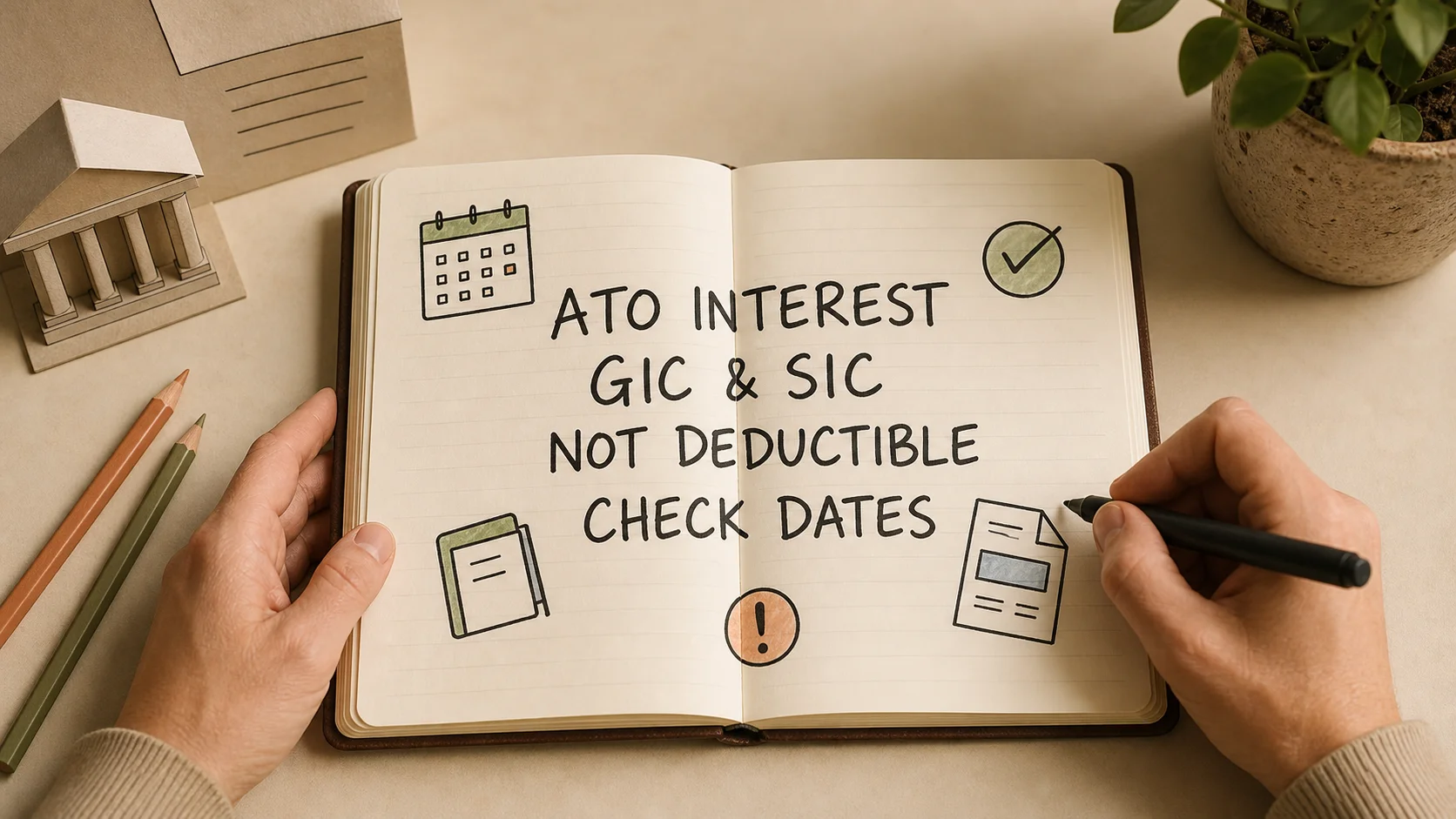
ATO Interest Charges Are No Longer Deductible
From 1 July 2025, ATO GIC and SIC interest charges are not deductible. Learn what small businesses should check in their records.

Australia’s 2026-27 Federal Budget: Key Takeaways for Small Business and Investors
A practical small-business guide to the 2026-27 Australian Federal Budget, including tax, PAYG, write-off and CGT changes.
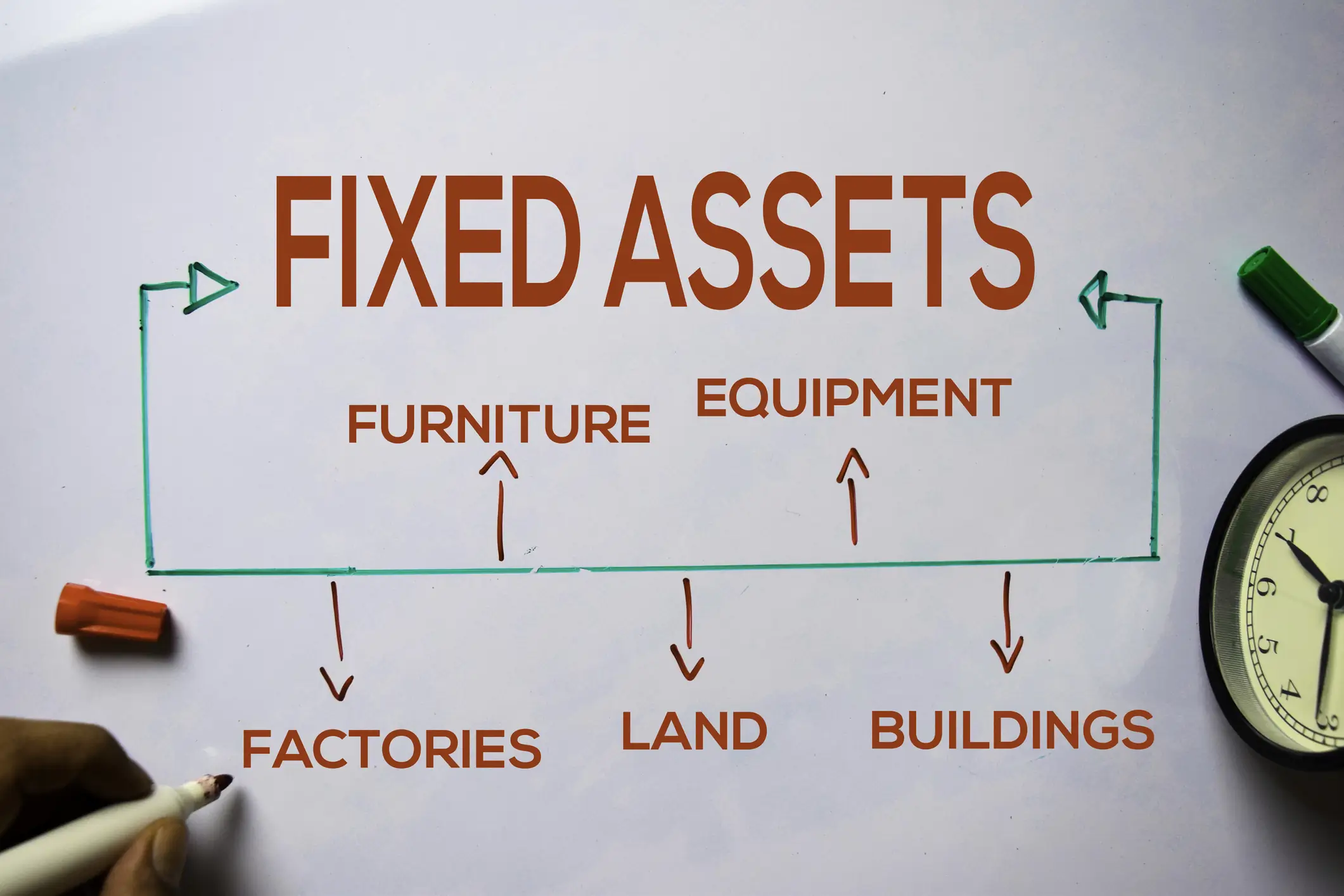
Fixed Asset Depreciation for Australian Small Businesses
Understand fixed asset depreciation, tax versus accounting treatment, asset registers, reports and common mistakes for Australian businesses.
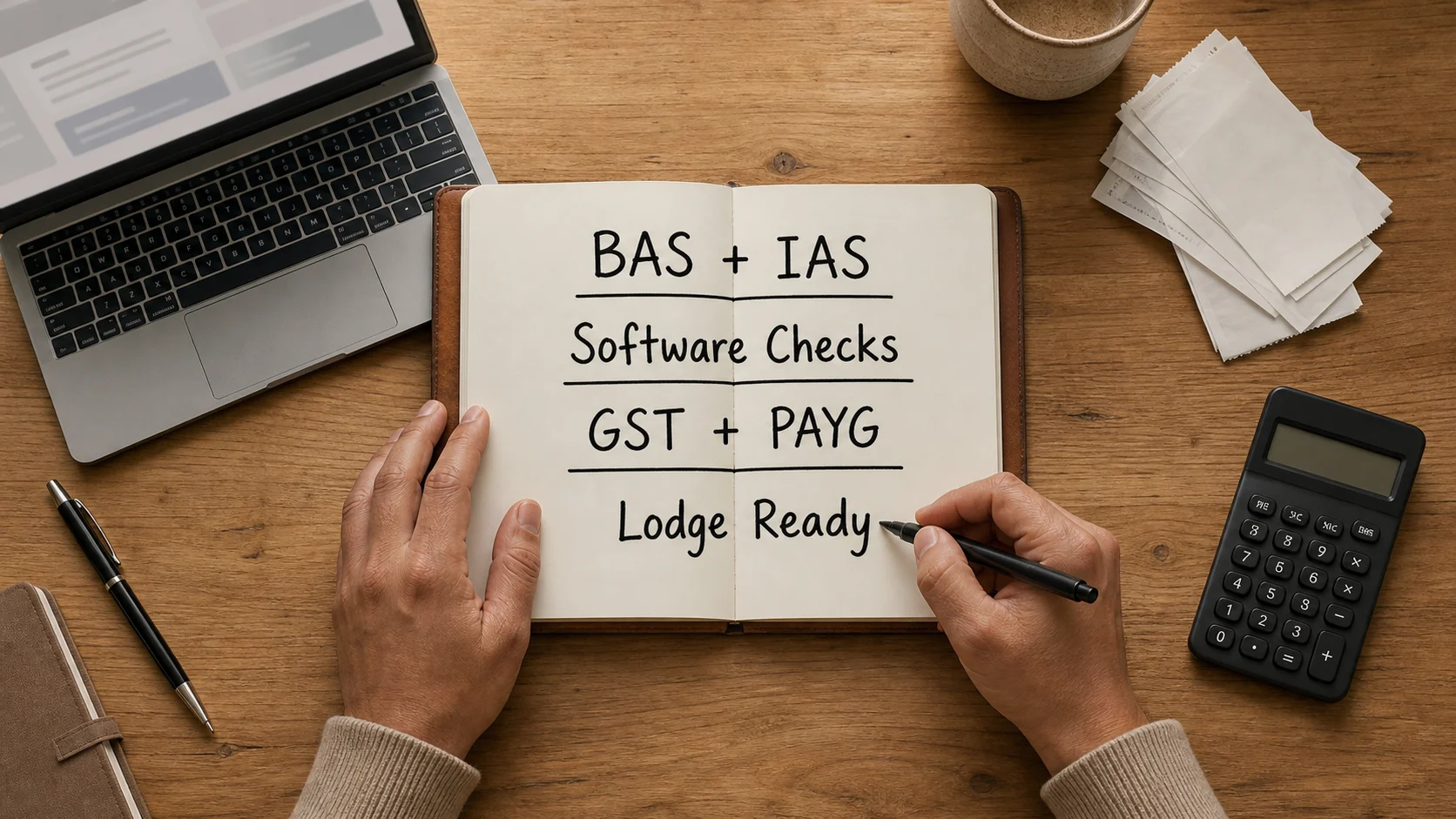
Use Accounting Software to Do Your BAS: BAS and IAS Types Explained
Learn how accounting software helps prepare your BAS, what BAS and IAS forms can include, and which activity statement type applies to your business.

Getting an ABN Number: A Practical Guide for Small Businesses
Learn when you need an ABN, how to apply through the ABR, and what to set up next for invoices, GST, PAYG and records.

Do Australian Sole Traders Need Accounting Software?
Do sole traders need accounting software in Australia? Learn when spreadsheets are enough, when software helps, and what ATO records you must keep.
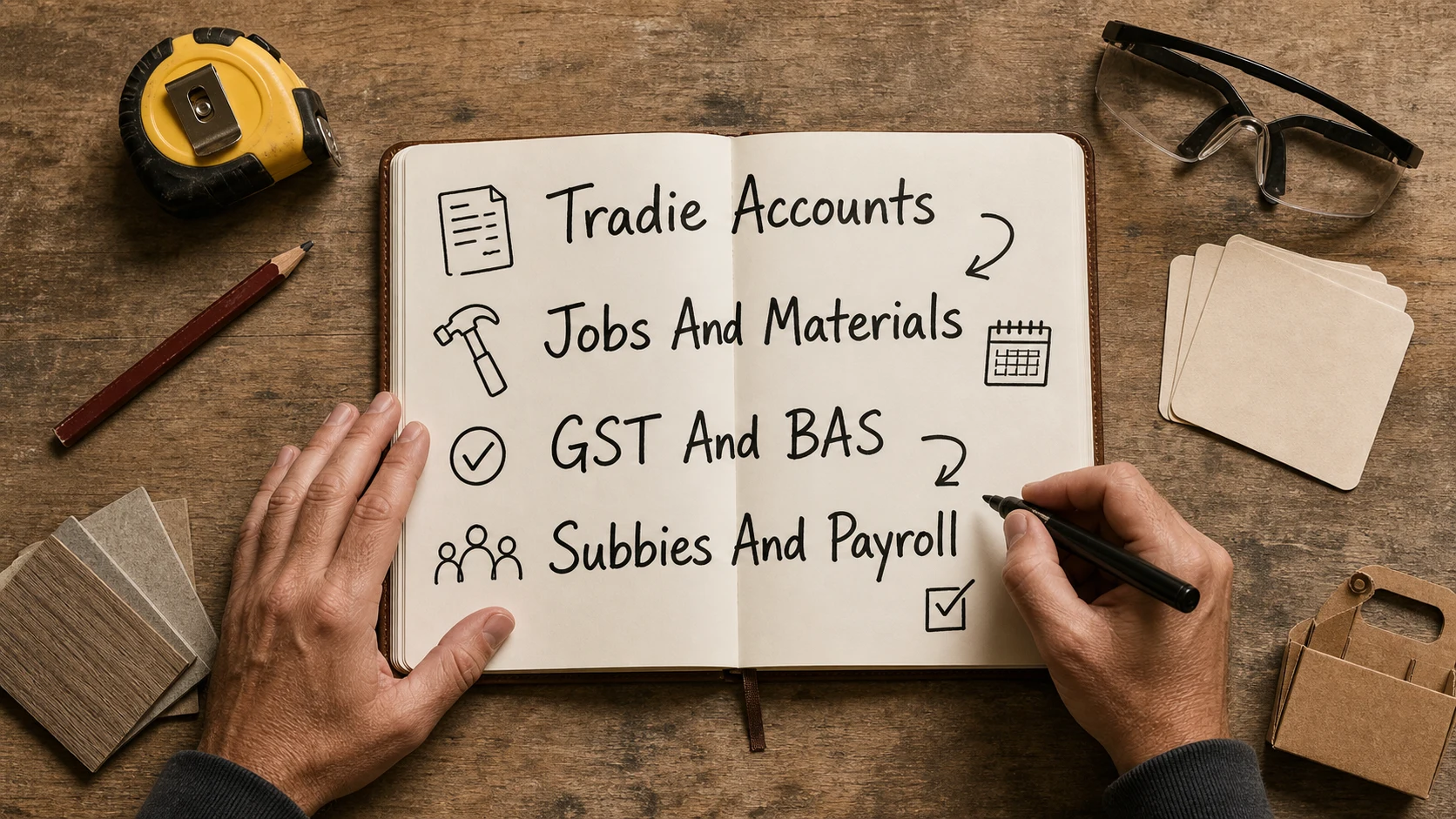
Tradie Accounting Software: What Australian Contractors Need
Learn what tradie accounting software should handle in Australia, from invoices and job costs to GST, BAS, TPAR, payroll and bank reconciliation.